

Welcome
Antalya Car Rental | Antalya Airport Rent a Car
Recently viewed cars
128,28 €

125,28 €

125,28 €
109,24 €

70,16 €
Guzelyurt Neighborhood, Incikpinari Street No.188/4A Aksu/Antalya TURKEY
Hours: 08:00 - 22:00 Mon - Sat
info@mietwagenauto.com
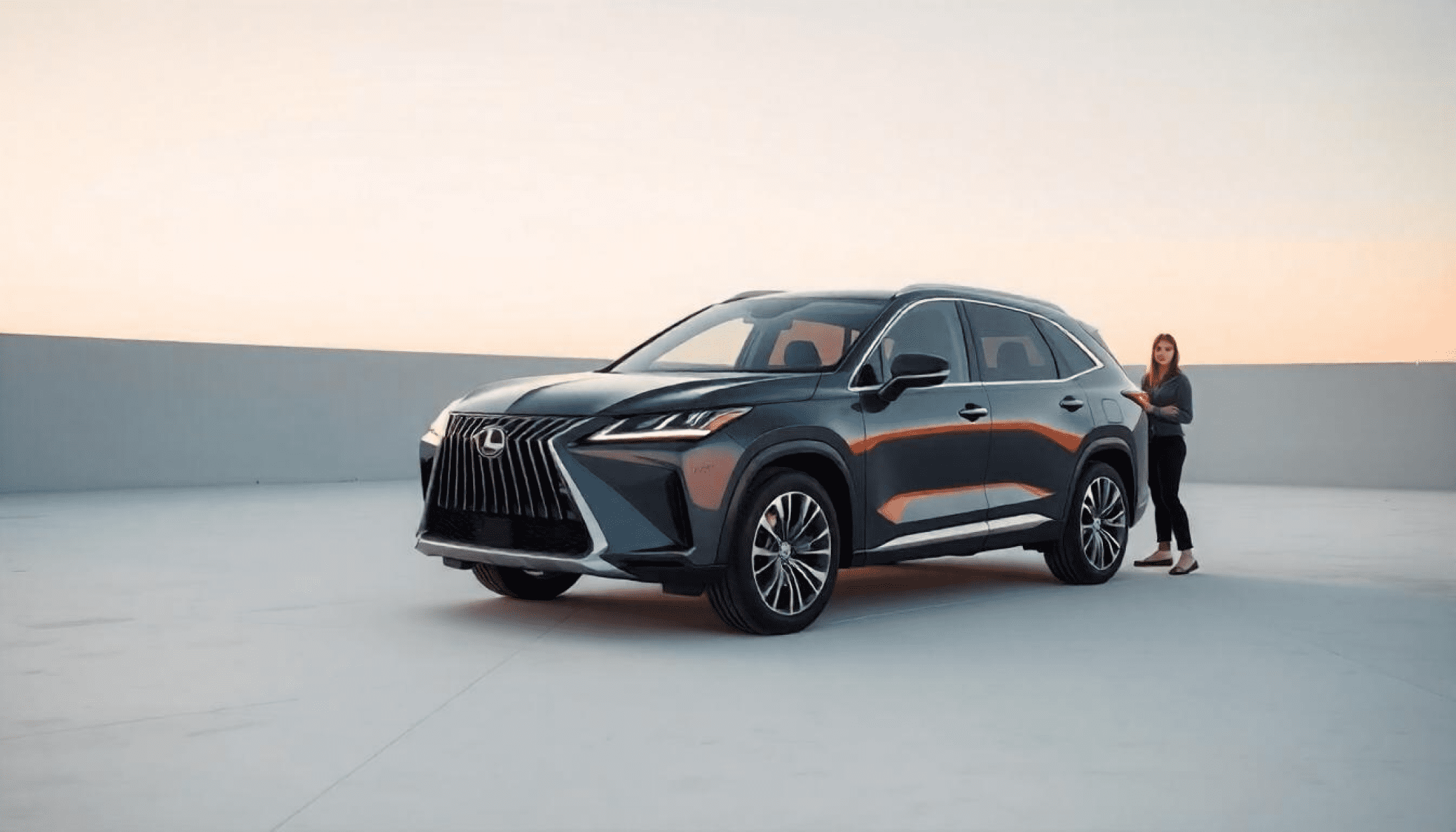
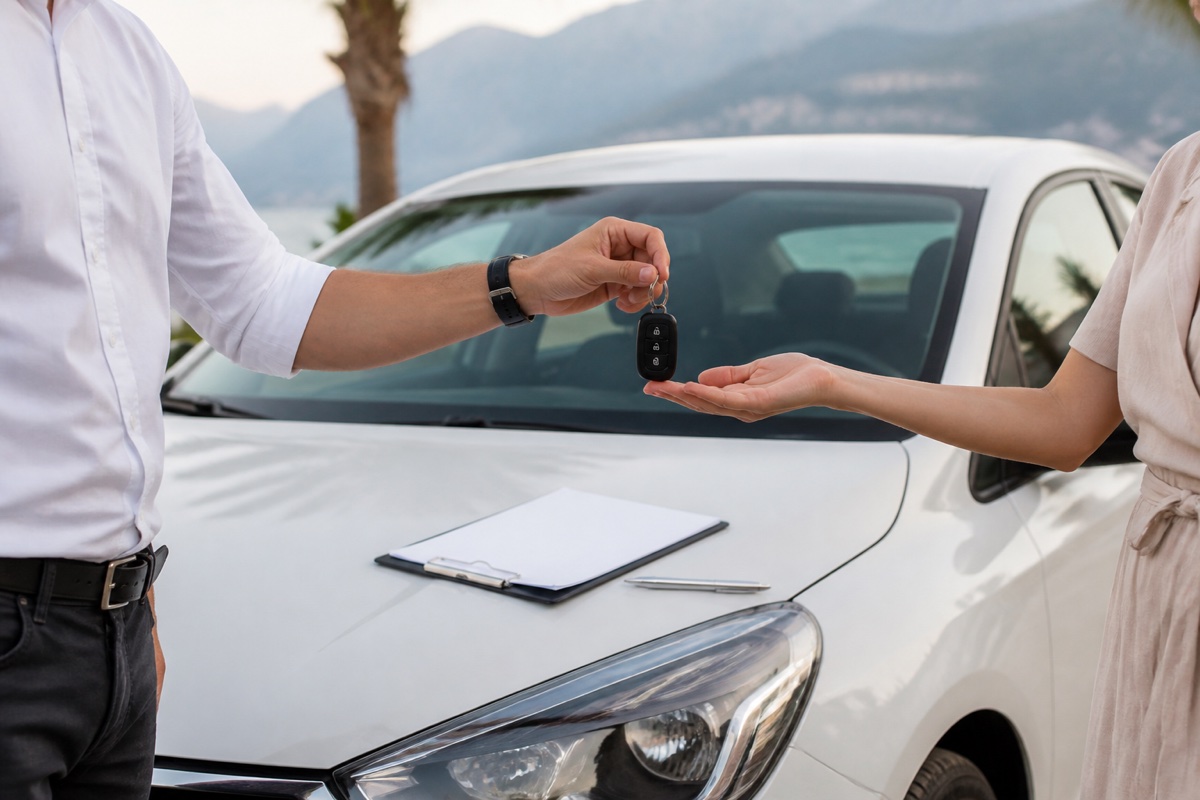
Most friction in an Antalya car hire is not about the air-conditioning. It is about three lines on the agreement: what the insurance actually covers, how large the damage excess is, and how long a deposit hold sits on your card. Those three things are not the same. A collision damage waiver (CDW) moves part of the bodywork risk away from you; the excess is still the slice you might pay if something happens. The deposit is a security hold for fuel, fines or damage—it is not the rental price. This article stays with process: what to photograph, how to read the fuel clause, and which documents belong on the desk. It will not invent a current excess or hold amount. Those figures move with season, car group and the package you pick; read them on the quote.
At pick-up you should expect a passport, a driving licence and a credit card in the main driver's name. Debit cards and cash are not universally accepted for the hold—ask in writing before you fly. The typical minimum age is 21. Extra drivers are checked too. If a licence is not in the Latin alphabet, bring an International Driving Permit with the original. Before you initial a page of abbreviations, ask which parts the excess applies to, whether glass, lights, tyres and the underbody sit inside the package, and how you call roadside help. A smile at the counter is not a substitute for a clear clause.
CDW is not zero risk. It reduces your exposure on many collision claims; the excess remains the maximum the company may pursue for covered events, subject to the exclusions. A car-park scrape in Kaleiçi can be enough to open that file. Super-cover or reduced-excess products may lower the number or add tyres, glass and underbody—each product prints its own list. Flood, wrong fuel, lost keys and an unlisted driver appear as exclusions in a lot of contracts. Read the exclusion list, not the marketing heading.
Summer parking in the old town and around Side's ruins is tight; Belek hotel parks are usually wider but still have pillars. The road toward Kemer adds bends where rims and the underside matter; the D400 adds mirror taps in sudden lane changes. Mentioning those scenes is not scare tactics. It is why the excess line exists. Whatever package you buy, a police report when the law requires one, photos and the other party's details help your file. “We'll sort it privately” is how claims go quiet in the wrong way.
The hold is reviewed after return: fuel, tolls, fines, damage. Your bank may take several business days to show the release. That delay is the card scheme, not cash sitting in a till in Antalya. Even a clean return sheet does not force the bank to post the release the same afternoon. Do not run the same card to its limit in resort shops. On dual-currency cards, ask your issuer how the hold will display. The range printed on your quote is the only honest number; this page will not invent one.
The usual rule is to return the car at the level you received, which in practice is often a full tank. Keep the receipt. Stations around AYT, Lara and Belek queue in the late morning when groups check out together. Paying the desk to “fill it for you” can use a reference price that is not the pump you just passed—ask how the litre is calculated. Half-to-half deals are uncommon and must be written. The dashboard bar and the litres on a receipt do not always match; photos plus a slip tie the story together.
If you reserved a hybrid or electric group, the charge percentage at return is its own clause. Do not sign a petrol assumption. Antalya heat keeps the compressor working; consumption will not match a winter commute at home. On a long D400 run toward Alanya, one planned fuel-and-water stop beats a red fuel light outside a resort gate. Confirm petrol versus diesel on the filler flap and on the paper before you squeeze the nozzle. Misfuelling is an exclusion in most packs.
Time-stamped photos shorten the “that scratch was already there” conversation. Shoot all four corners, the roof, glass, lamps, alloys, tyre sidewalls, cabin trim and the cluster showing mileage and fuel. If there are parking sensors or a reverse camera, take a three-second video. Match every mark on the damage sheet to a photo; if a mark is missing from the paper, add it with the agent. At a night landing at AYT, use flash or the bay lights. The queue behind you is not a reason to skip the walk-around. Five minutes now is cheaper than a dispute when you already have a boarding time.
Only named drivers should take the wheel. A friend “just for a few kilometres” along the Kundu strip can void cover if something happens. Extra-driver fees move with season; read the quote. Child seats and navigation are separate lines. If a mileage cap exists, plan a Side-and-Aspendos day or a Kemer coastal loop against that number. Unlimited mileage still leaves tyres and fuel with you. Traffic fines may be billed later with an admin fee described in the agreement; keep a note of signs if you intend to query one. Look at available vehicle groups before you accept a “similar car” swap so gearbox, seats and boot still match what you booked.
Many desks require a credit card for the deposit hold. Prepaid and debit cards often fail the authorisation. Ask in writing before you fly. Solving this in the arrivals hall after a night flight is the wrong moment.
It usually sits inside the excess conversation, not in a magical free-repair bucket. Even a reduced-excess pack still wants photos and, when needed, a report. Take the other plate if another car is involved.
No. Basic CDW is bodywork-minded. Tyres, glass and the underside are often optional boxes. Ask about them if you plan Kemer bends or D400 stretches with roadworks stone chips.
Yes. A silent return plus a later inspection photo is the worst version of the story. Say it at the desk and attach your pictures to the paper.
The pleasant part of an Antalya hire is the coastline. The disciplined part is the desk: CDW is not the excess, the excess is not the deposit, and the fuel receipt is not optional. Photograph the car, name every driver, and keep the quote where the numbers actually live.


